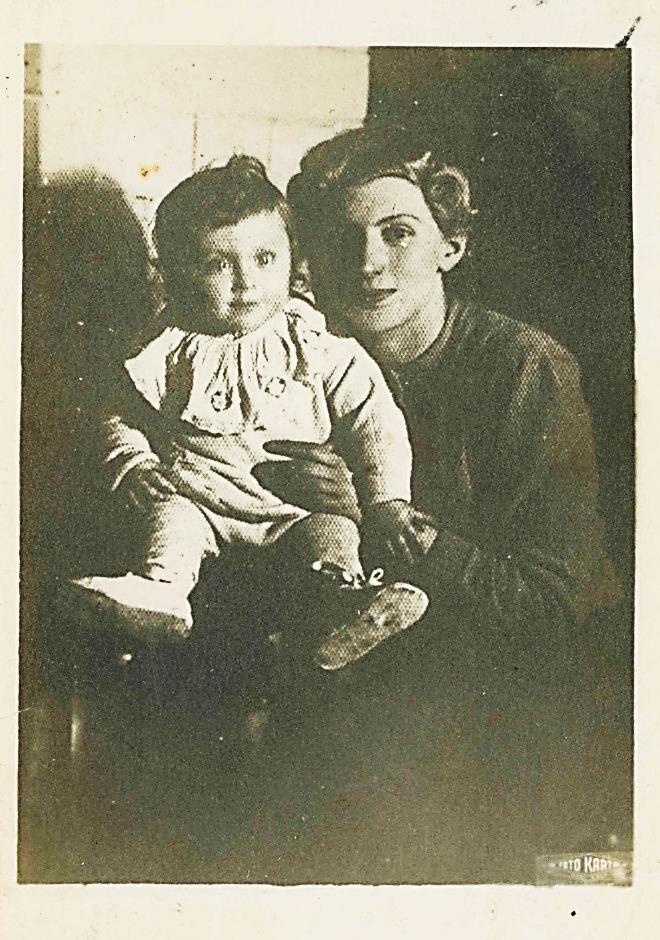
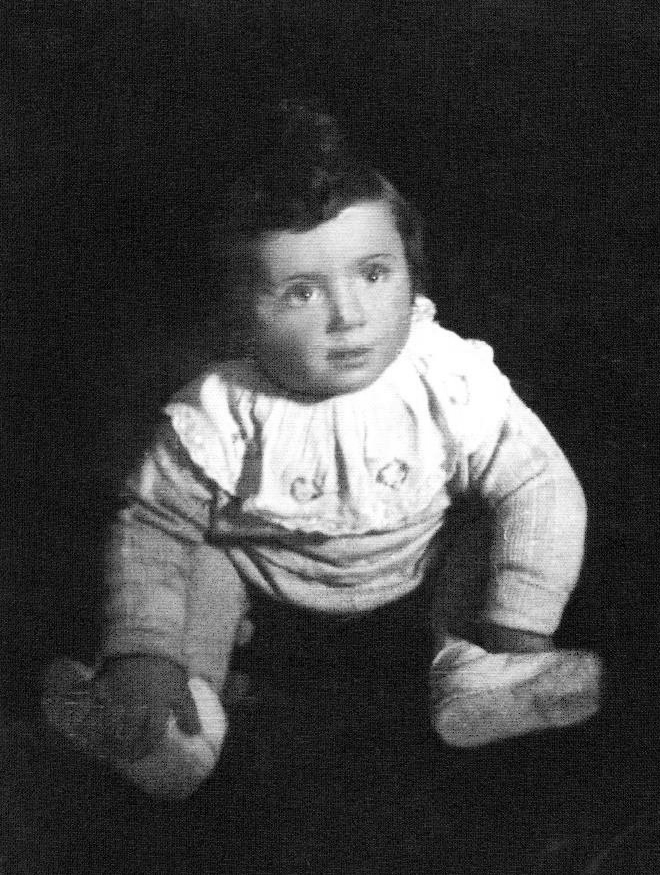
Mendele, photographed as a small child: dark eyes looking just past the camera, a white embroidered blouse, a dark studio background. Pinchas Menachem Mendel Hakohen Levin, born 1938, murdered at Auschwitz in 1944, aged five. The same child on his mother's lap: Mendele held by Pesse Rochel, her face beside his, both looking at the camera.
Support the film
Project Witness
A feature documentary In production · 2026, 2027

Dear Mendele

A Sister's Promise

Pinchas Menachem Mendel Hakohen Levin · 1938 · 1944
Murdered at Auschwitz, aged five · ה' ינקום דמו

I.The Promise

A letter, eighty years late

To my dear brother, Mendele,

It's been over 80 years since you arrived in Auschwitz together with your mother Pessa Rachel, your uncles, aunts and the cousins who were around your age and older. The murderers made sure to send you on an express route, rushing you from the infamous Drancy internment camp in France in sealed train cars before anyone else could rescue you.

You were one of about 140 Polish Jews in the Vittel internment camp whose only crime was the fact that they were Jewish. Family members in the free world held high hopes that you would remain safe: your father in Eretz Yisrael, others in Switzerland, the United States, England. After all, your group held South American passports and British certificates to Palestine.

But the Satan and his Nazi agents were too quick. Once they laid their contaminated hands on you, they would not let go. They sent you on an express train to Auschwitz with clear instructions: no need for selektzia; just send them all directly to the gas chambers.

We will not be stopped by politics, by democracy, by dictators, and certainly not by anti-Semitism. We will continue to perpetuate our mission, and you will watch from above together with the entire family.

As I, Mendele, promise you, I will never forget.

Your younger sister, Ruth
Ruth Ruda bas Rabbi Yehuda Aryeh Leib
and Esther Devorah Levin · International Holocaust Remembrance Day, 2025

II.First Footage

The camera has already started rolling


The first footage was filmed in April 2025: Warsaw, Góra Kalwaria, and the cells of Pawiak prison. This is the first cut of the trailer.

The trailer · two minutes · filmed on location, nothing staged, nothing reenacted

III.The Journey

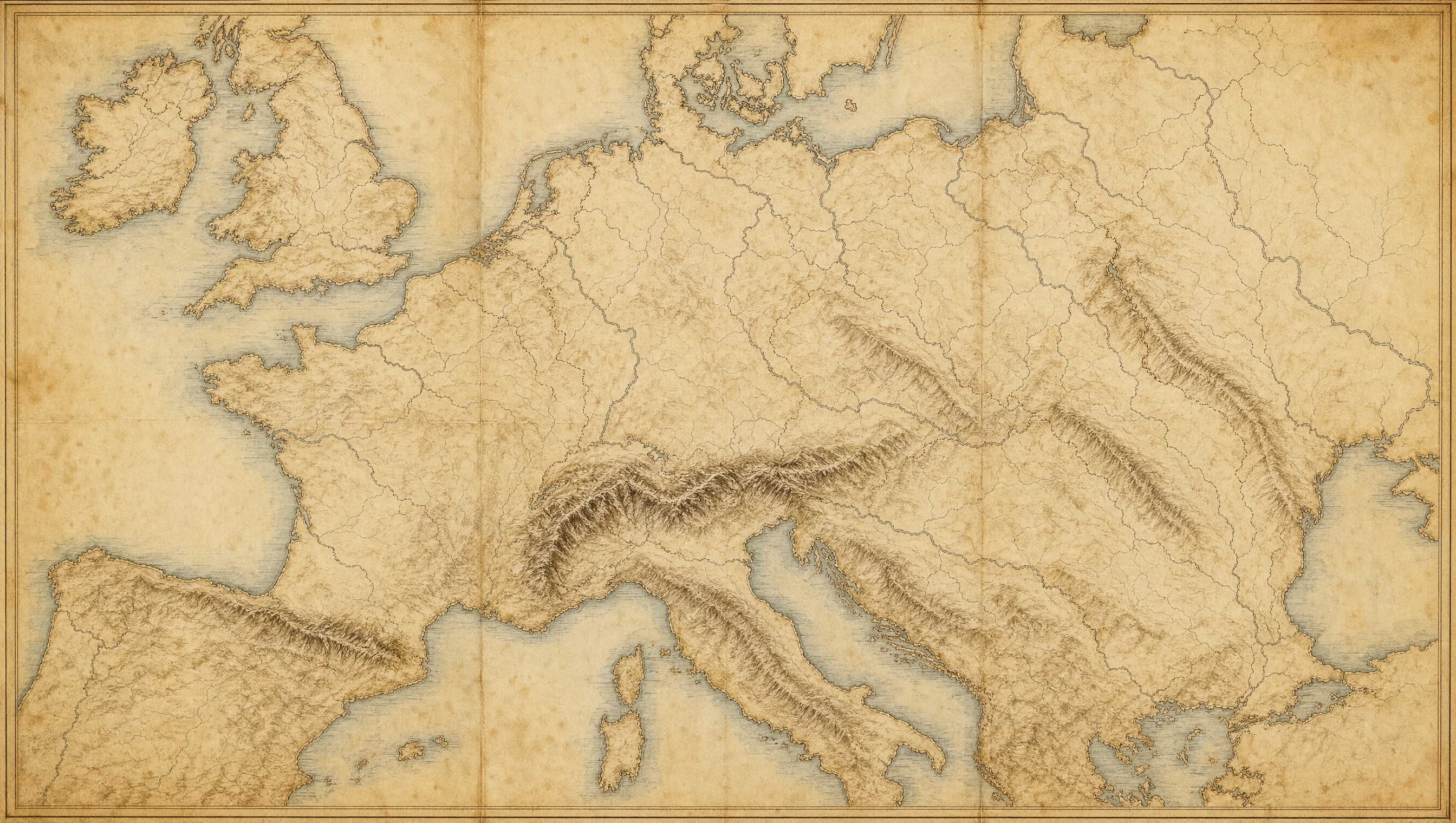
A hand drawn map of Europe in sepia ink on aged paper. A route is drawn across it, from Łódź and Warsaw west to Vittel and Drancy in France, then east again to Auschwitz.

III.The Journey

Three generations,
one child's path


Dr. Ruth Lichtenstein and two of her grandchildren are retracing every station of her brother's short life: from the city where he was born to the ground where he was murdered, and onward to the place where his name will finally be written back into the record.

1.Łódź

A boy is born


Pinchas Menachem Mendel Hakohen Levin, called Mendele, is born in Łódź in 1938: grandson of Rabbi Yitzchak Meir Levin, a descendant of the house of Ger, whose Rebbe led close to a million Polish Jews. When the Gestapo beat his father, the family flees to Warsaw.

2.Warsaw

Refuge at 2 Mariańska Street


The family shelters with his grandparents in a building that no longer stands. In April 1940 his father leaves with the Rebbe of Ger and reaches the Land of Israel, certain his wife and son will follow. Mendele and his mother Pesse Rochel remain behind, inside the ghetto walls.

3.Pawiak Prison

Six months behind bars


On July 17, 1942, Jews holding foreign papers are ordered to report. Mendele walks into Pawiak holding his mother's hand. They expect days and stay half a year, while through the windows the Great Deportation empties the ghetto: three hundred thousand souls sent to Treblinka.

4.Vittel · France

The miracle that wasn't


On the night of January 18, 1943, they are taken out in darkness, certain the destination is Treblinka. Instead: a passenger train west, to a resort town in occupied France where holders of foreign passports await exchange. "To them it was like a miracle."

5.Drancy

Convoy 72


The Latin American governments decline to honor the passports, and the protection dissolves. In spring 1944 the Vittel Jews are moved to the transit camp at Drancy. On April 29, Convoy 72 rolls east with forty-nine children from Vittel aboard. Mendele is one of them.

6.Auschwitz-Birkenau

Hours, not years


The train reaches the Judenrampe, the old freight ramp outside Birkenau, around May 1, 1944. Mothers with small children were not separated. Mendele, his mother, and more than twenty members of his family were murdered within hours of arrival. He was five years old.

7.Onward

The path continues


The story does not end at the ramp. It continues in Israel, where his father survived, where a rescued Torah scroll is being restored letter by letter, and where his family will file a Page of Testimony, the one-page memorial record kept for each victim, so his name enters the record at last.

IV.Interlude

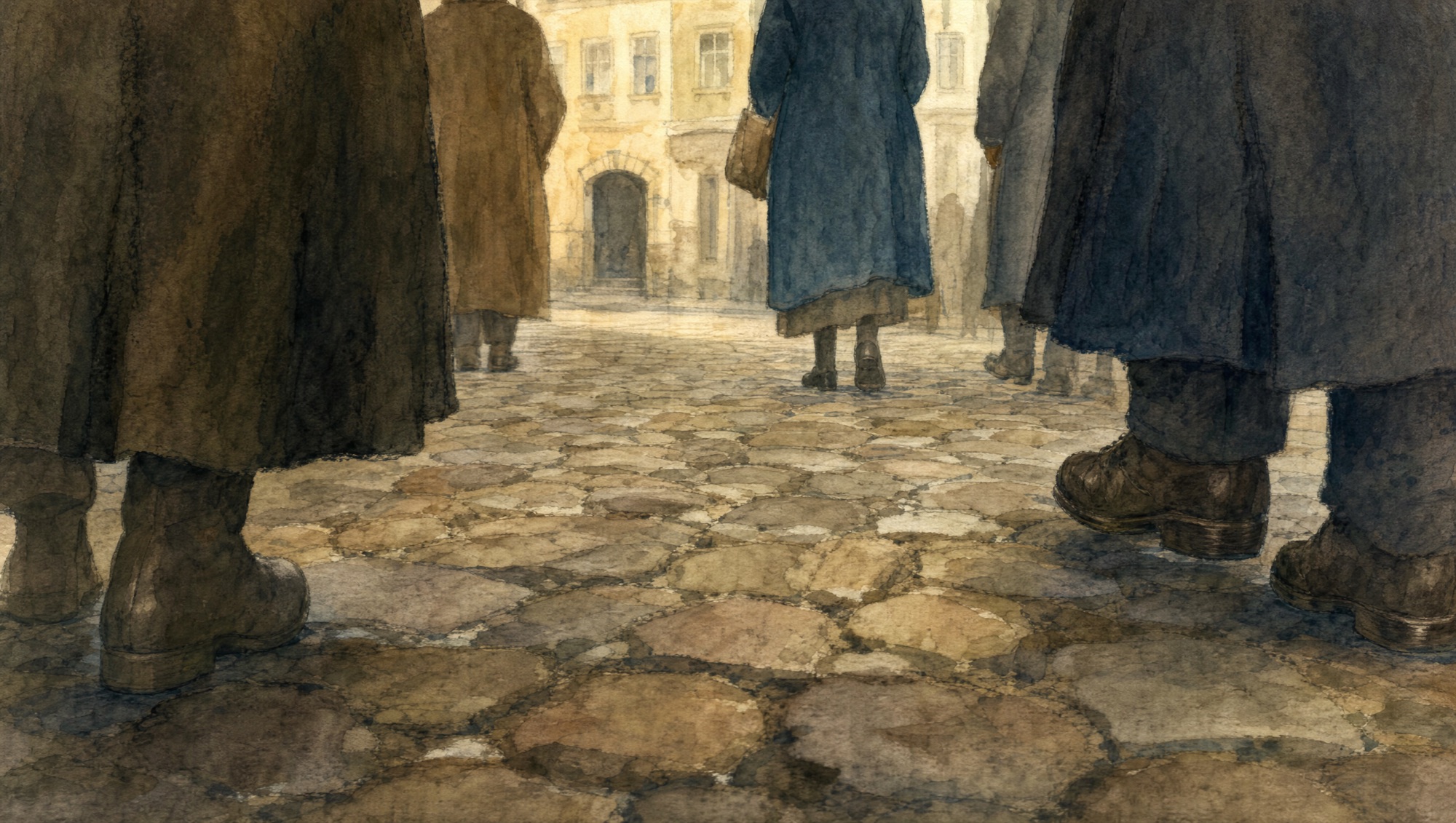
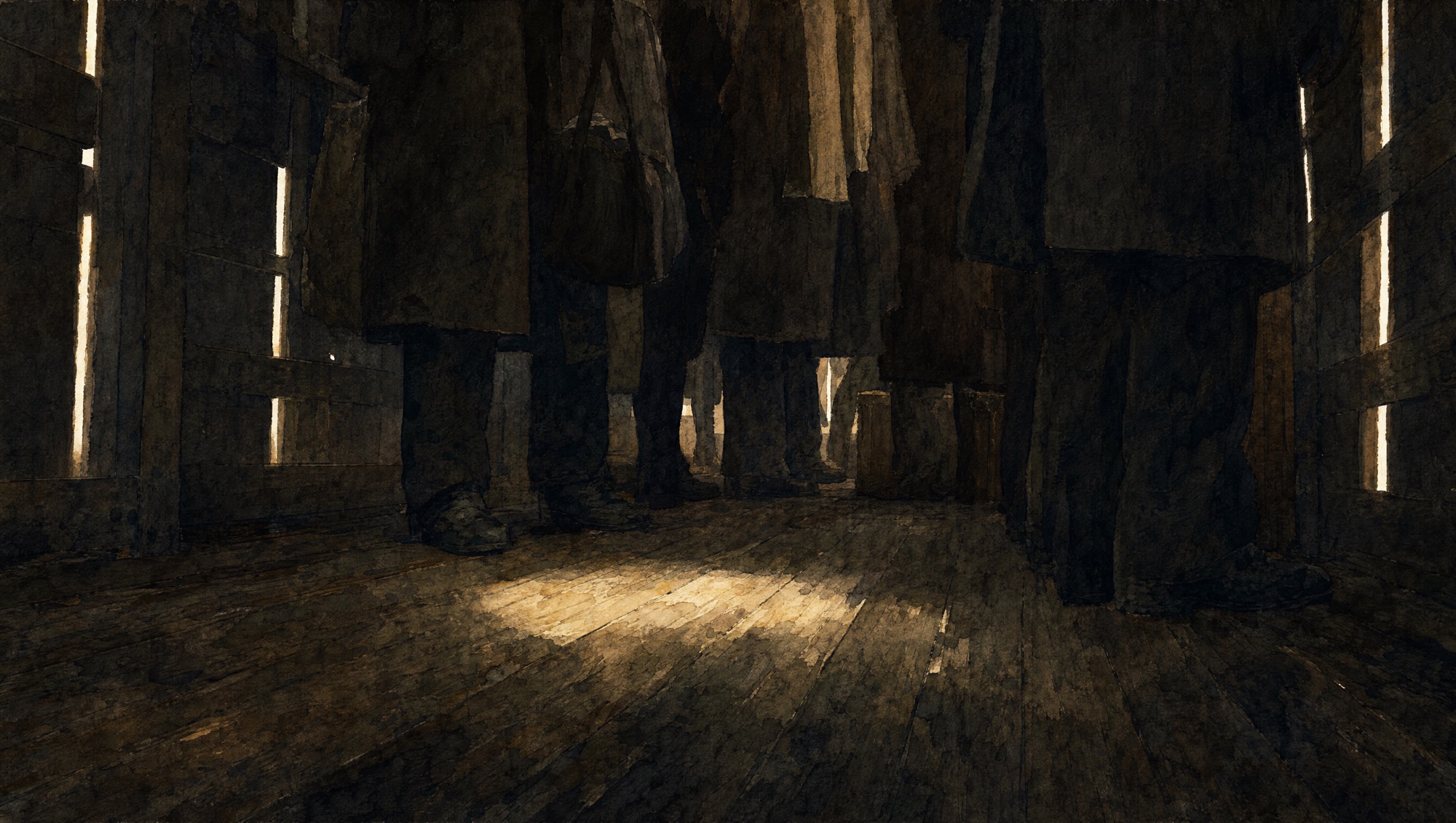
He saw only
knees and shadows.


He heard only the frightened whispers of adults overhead. He was a child. He understood nothing of what was destroying his world.

The film's animation register Knee-height, throughout.

V.Two Registers

Two visual languages,
braided together


The film moves between the documentary present and Mendele's animated childhood. His portrait stands at the seam, the meeting point of both.

Register A

Documentary

Pawiak Prison, Warsaw April 2025

"So you tell me, how could you hold children in something like that? How could you?" Dr. Ruth Lichtenstein · inside a preserved cell

Observational and direct to camera. Ruth inside the rooms of Hotel Polski with the leading scholar of the passport affair. A cell at Pawiak. A witness in his nineties with mud-rescued Hebrew books. Nothing staged, nothing reenacted, nothing repeated for the camera.

Vérité · direct-to-camera
Warsaw · Góra Kalwaria · Vittel · Drancy · Israel

Register B

Animation

Animation development test The cell, through his eyes

His mother reaches for his hand · the audience sees only what he saw

Hand-drawn 2D animation carries Mendele's own chapters, every frame at a small child's height. Adults appear as hands, legs, and voices overhead in Polish, Yiddish, and German. His face is never shown. We see what he saw.

2D animation · a child's vantage throughout
Development test shown · produced in studio

We cannot represent a murdered child's interior life.
We can render the texture of his incomprehension,
and we refuse to let a live camera counterfeit it.

VI.A Forgotten Chapter

The passports that became a trap


In 1943, at Warsaw's Hotel Polski, desperate Jews traded their last gold for Latin American papers: foreign nationality that might make them exchangeable for Germans held abroad. The lifeline was a snare.

~140


Polish Jews in the
Vittel passport group

6


Months a small boy waited
inside Pawiak Prison

49


Children from Vittel
on Convoy 72

One of them was Mendele.

5


His age when
he was murdered

Some papers were real, many were forged by sympathetic diplomats or bought on the black market. The route they promised ran through Hotel Polski, into Pawiak, west to Vittel, back through Drancy, and ended at Auschwitz.

When the Latin American governments refused to honor the documents, the trap snapped shut.

VII.Interlude

Sealed cars,
moving east.


He could not see the sun. Only slits of it, between the slats. The voices around him spoke of stations they would never reach.

Drancy to Auschwitz · Convoy 72 · April 29, 1944 Forty-nine children from Vittel were aboard.

VIII.The Absence

Never a prisoner of Auschwitz.
Murdered at Auschwitz.


He was never registered, never tattooed, never assigned a barrack. And because he traveled under an assumed passport identity, the record holds something crueler than a wrong entry: no entry at all.

Search the record Deportation lists · victim databases · the Book of Names
Surname
Given name
No record found.

The passport that was meant to save him is what erased him.

He is in no book, no database, no list.
Of 1.5 million murdered children, most left no trace at all.
This film exists to reverse one absence.

After the filming in Poland, his family will submit a Page of Testimony to Yad Vashem, Israel's national Holocaust memorial, and his name will enter the record for the first time in 82 years, by his sister's hand.

IX.The Search Continues

What survives, and where


Three present-day investigations run alongside the family's journey. Each asks the same question in a different language: what remains?

IX.1The last ghetto walls

The Waliców block, Warsaw

standing since before the war

The best-preserved ghetto-period houses left in Warsaw, where the Rebbe of Ger was first hidden after his escape. Traces of mezuzahs survive on the doorframes of No. 12; the ghetto's poet lived at No. 14. Before renovation closes the ground forever, the film is pursuing a formal archaeological research effort with the Warsaw Ghetto Museum. No one has ever excavated here.

Filmed April 2025
returning August 2026

IX.2The scattered library

Góra Kalwaria (Ger)

seat of the dynasty

In the home town of the Ger dynasty, the film found the old study hall with its original floor and its intact matzah oven, and a professor in his nineties keeping Hebrew books rescued from the mud. Thousands of volumes from the dynasty's great library vanished during the war. The witnesses who remember are in their nineties.

Filmed April 2025
returning August 2026

IX.3The rescued scroll

A Sefer Torah, restored

Israel · today

During the war, Mendele's great-aunt smuggled a Torah scroll into Pawiak prison in a double-bottomed suitcase. It stayed with her through Vittel, and after the war she carried it to Israel herself. Today that scroll is being repaired letter by letter, the film's larger work in miniature: restoring what can still be restored.

Filming 2026 · 2027
Israel

POLIN Museum · Jewish Historical Institute (ŻIH) · Yad Vashem · Mémorial de la Shoah · Arolsen Archives · the Eiss Archive

X.The Journey Ahead

The film is underway


This is not a plan on paper. The first footage is cut, the permissions are signed, and the crew returns to Poland in weeks.

April 2025 · Filmed

Warsaw · Góra Kalwaria · Pawiak

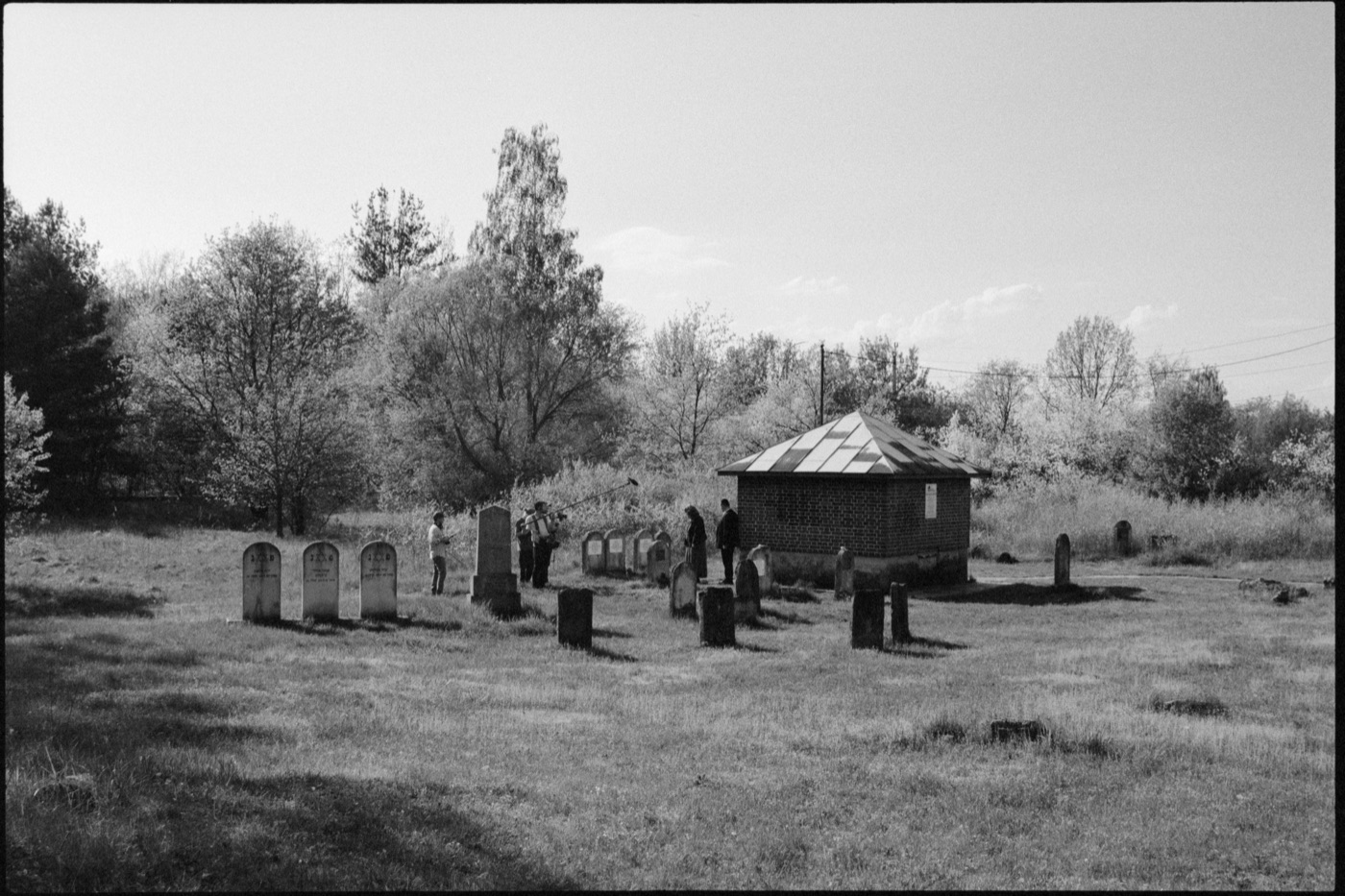
Three days of first footage: the abandoned Waliców tenements by flashlight, the rooms of Hotel Polski with the leading scholar of the passport affair, the old study hall of the Ger dynasty, and Ruth inside a preserved Pawiak cell, telling her brother's story where it happened.

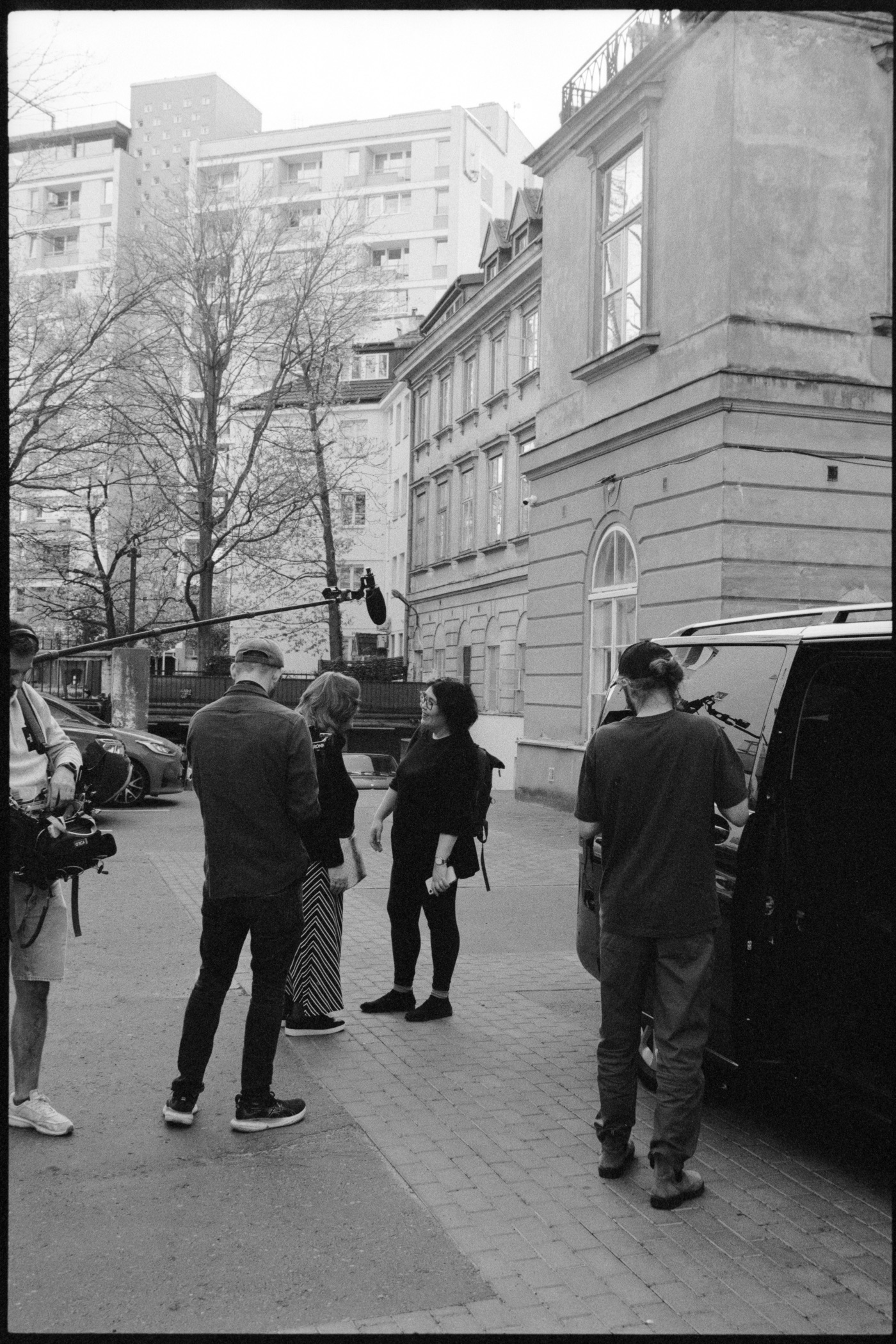
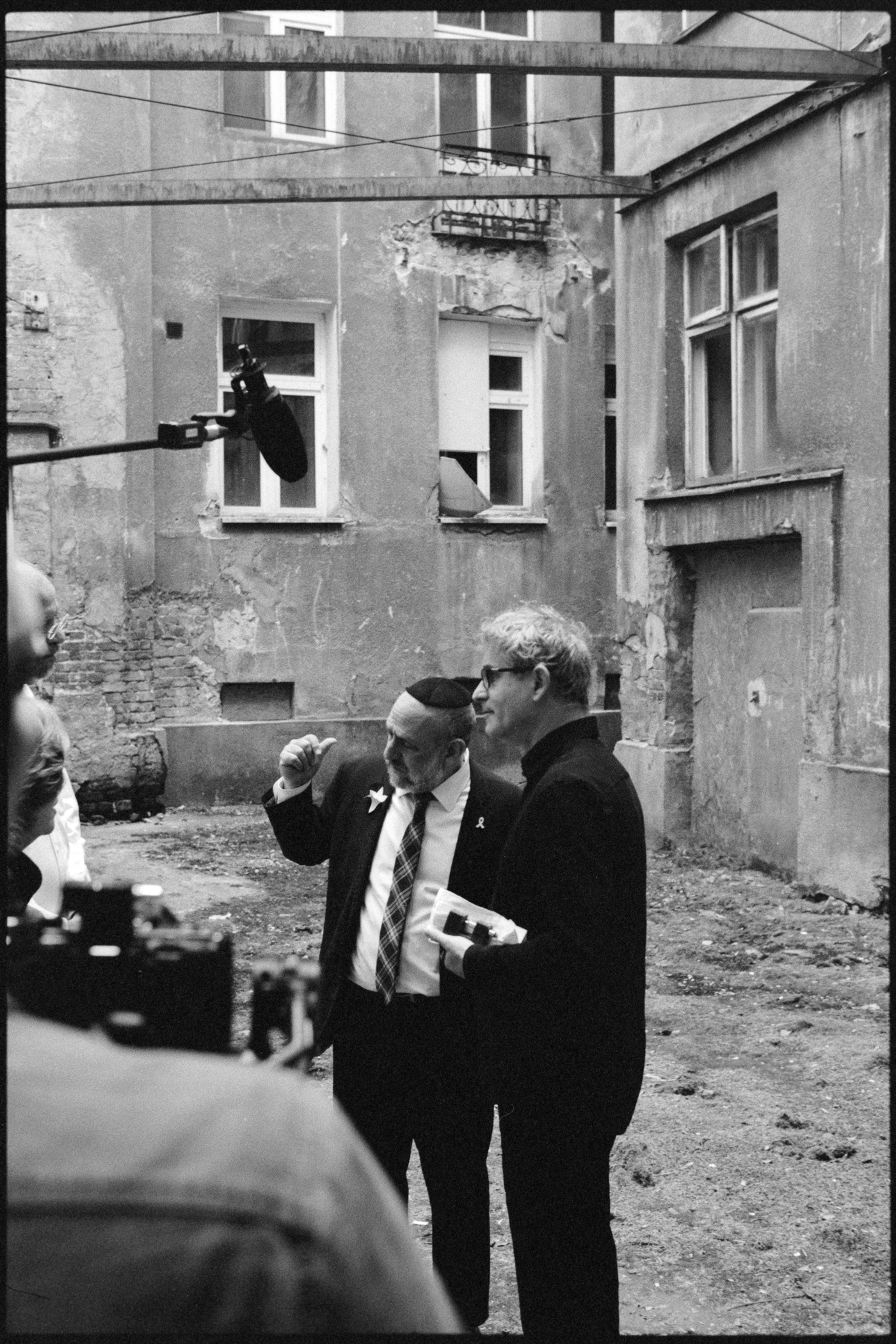
The crew at work in the street: boom operator, camera, and the production van.
Behind the scenes · sound and camera on the street

August 24, 2026 · Scheduled

Łódź · Góra Kalwaria · the Handover

The city where Mendele was born. The town of the dynasty. And that evening in Kraków, on camera: Ruth passes her letters, her father's book, and the family china to her grandchildren. Custody of memory, crossing a generation.

Ruth's son looks out from a wrought iron balcony of the old Ger synagogue, the plaster fallen away to brick around the windows.
Ruth's son at the old Ger synagogue, the Rebbe's own · Góra Kalwaria

August 25, 2026 · Permission granted in writing, July 31

One day inside Auschwitz-Birkenau

Seven stations in a single day, under the Museum's rules: a small crew, an educator alongside, nothing staged and nothing repeated. The plan includes the Judenrampe where his train actually stopped, and a search of the Book of Names that the family expects to fail. He was there only hours; the film takes only one day.

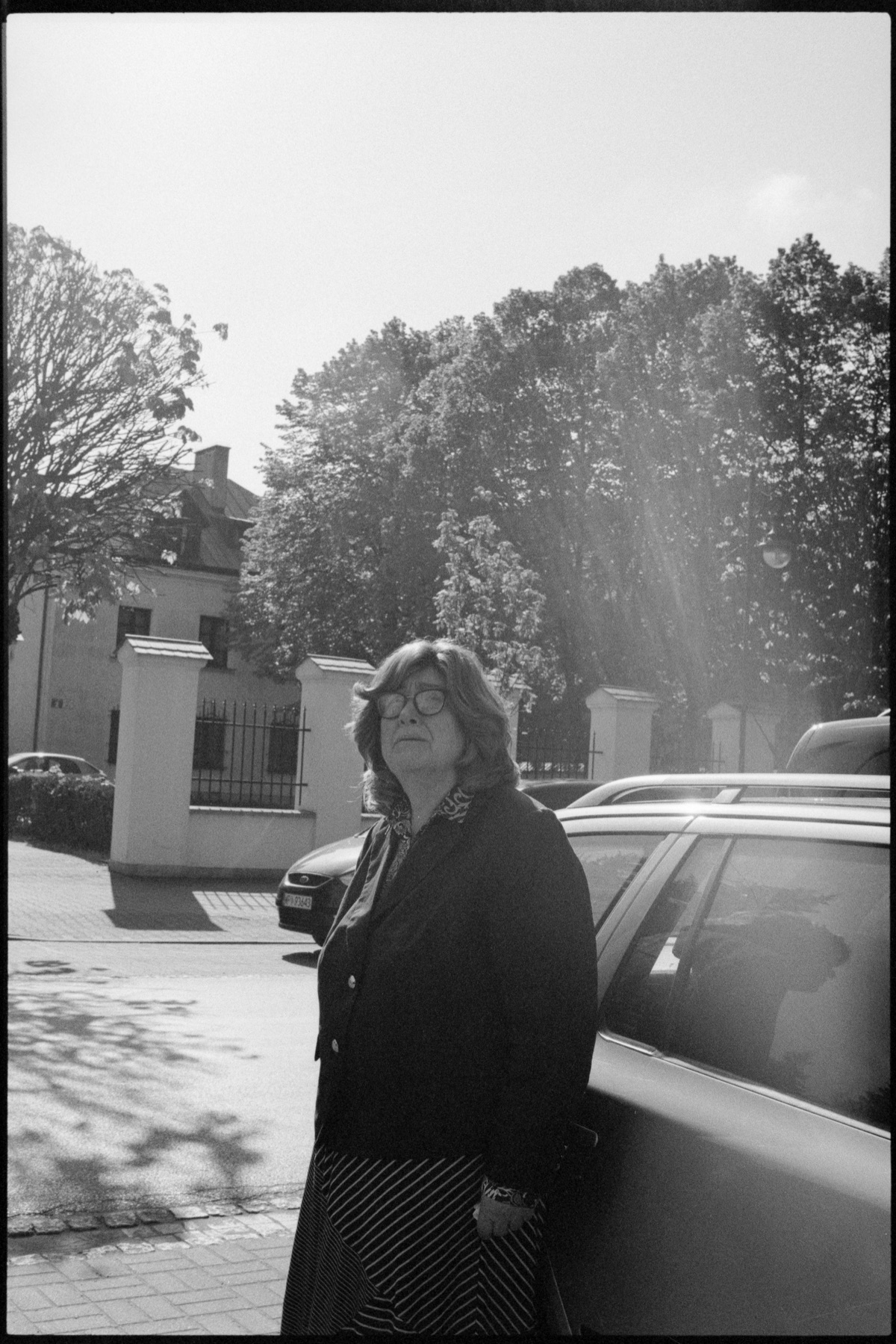
A camera operator films Ruth beside the cars on location.
Behind the scenes · filming with Ruth, April 2025

August 26, 2026 · Scheduled

Warsaw, the ghetto's traces

The Umschlagplatz, the square from which the ghetto's Jews were deported, then the surviving ghetto wall, Hotel Polski, and a slow walk through the Waliców block, where the marks of mezuzahs still shadow the doorframes.

The boom microphone reaches over a street conversation between Ruth and a companion at a brick wall.
Behind the scenes · the boom over a street conversation

2026 · 2027 · Ahead

France · Israel · the animation

Vittel and the Drancy Memorial. The Sefer Torah and the Page of Testimony in Israel. Interviews in the United States, archival licensing across four countries, and the hand-drawn animation that carries Mendele's own chapters, toward completion in 2027.

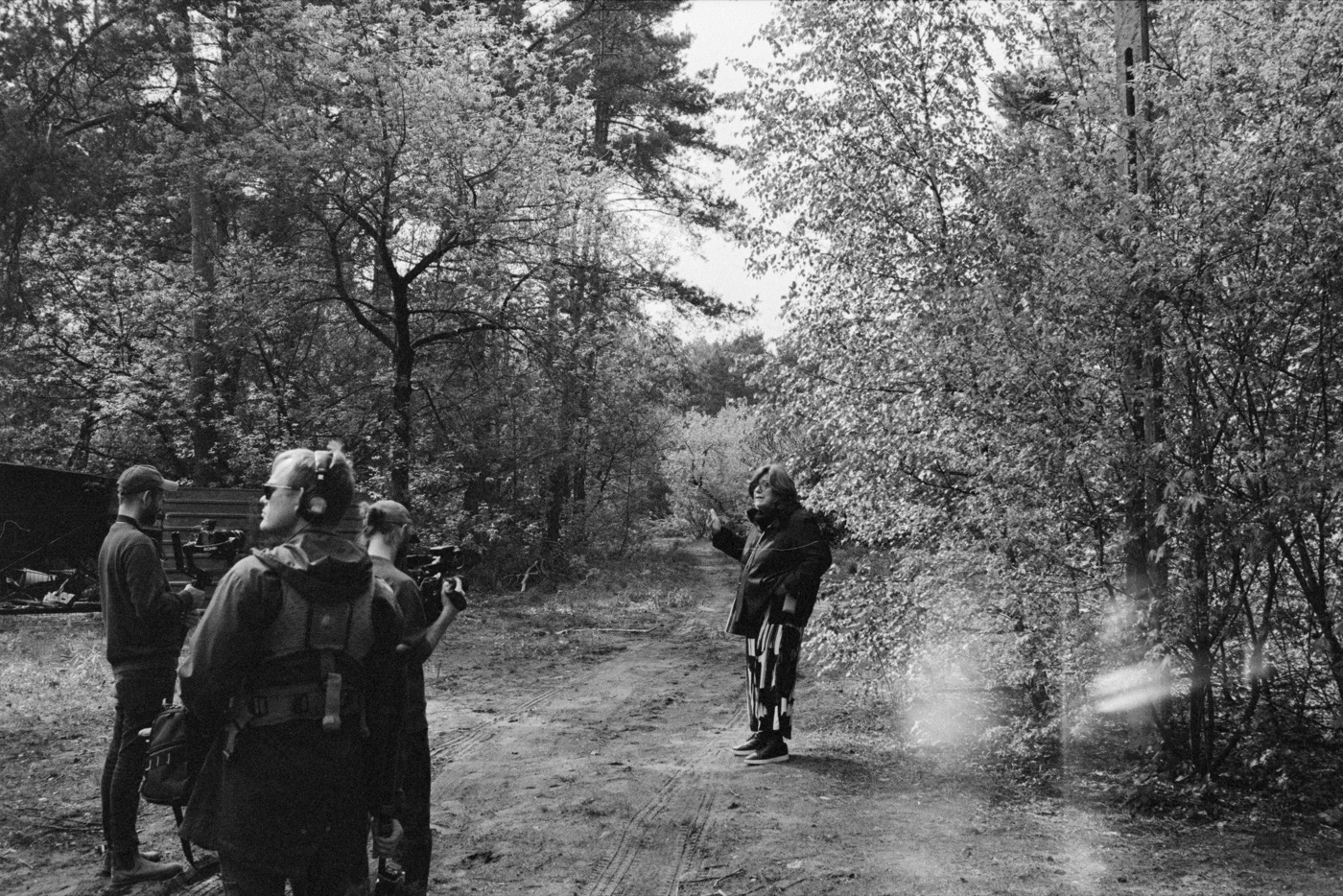
Dr. Ruth Lichtenstein stands beside a car in the sunlight, looking upward, mid-journey.
The sister who carries it forward

The family is never filmed at the Arbeit Macht Frei gate.
He never passed through it. The film refuses every false image.

XI.Voices

The keepers of his name


The people who gather around Mendele's memory: across generations, across countries, across the line between Jewish and not.

The sister

Dr. Ruth Lichtenstein


Founder of Project Witness, historian, publisher. Mendele was her father's son from before the war, the brother she never met. Her doctorate is on the Vittel camp itself, and for decades she has written him letters that begin Dear Mendele.

The grandchildren

Ari and Tzipporah


Two of Ruth's adult grandchildren travel every kilometer beside her. They carry the cameras' questions, the family's letters, and the search itself: three generations standing in the places where their family's memory was meant to end.

The father

Rabbi Yehudah Aryeh Leib Levin


Mendele's father reached the Land of Israel and survived. In 1961 he published Megillas Polin, a chronicle of Polish Jewry's destruction that never once mentions his own murdered son. The film opens that book on camera, and finds the silence.

The witnesses

The last rememberers


In Góra Kalwaria, a professor in his nineties keeps Hebrew books rescued from the mud and a memory of the world that vanished around him. The film reaches these witnesses while they can still testify.

The scholars

Historians on camera


The leading specialist on Hotel Polski walks its actual rooms with Ruth. Archivists and historians in Poland, France, and Israel put the passport affair on the record, with the documents in hand.

The record itself

Archives across four countries


POLIN Museum and ŻIH in Warsaw. Yad Vashem in Jerusalem, holding the list that carries the Vittel group's names. The French collections of Vittel and Drancy. The Eiss Archive's forged passports themselves.

Each one stands in a room where memory
was meant to be erased.

XII.Write His Name Back

Eighty two years erased.
One film to reverse it.

The family gives first: the director volunteers his labor, the founder gives in kind, and private donors have already carried the film through its first footage. What remains is the cost of finishing.

$370K

The full cost
of the film

$170K

Already secured,
family and donors first

$200K

Remaining
to finish

Your support completes the journey: filming at Vittel and Drancy in France, the Torah scroll's restoration and the Page of Testimony in Israel, interviews in the United States, archival licensing across four countries, the hand-drawn animation of Mendele's chapters, and the edit, sound, and finishing that carry the film to audiences in Polish, Yiddish, Hebrew, French, and English.

Project Witness is a 501(c)(3) nonprofit organization.
Contributions are tax-deductible as permitted by law.
Executive producer and dedication opportunities are available in his memory.

Dear Mendele, I promised to remember. The world will
know your name.
Pinchas Menachem Mendel Hakohen Levin · 1938 · 1944
and his mother, Pesse Rochel Levin
ה' ינקום דמם